
Deangarden Wood project
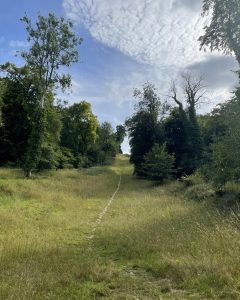 In 2017 we started one of our biggest and most exciting projects, a 15 year project restoring the semi-natural ancient woodland at Deangarden Wood, High Wycombe into a more positive condition for wildlife & people.
Deangarden Wood is owned by the Carington Estate and we are delivering the management plan in partnership with them. The plan is part of a planning agreement with Berkeley Homes, Buckinghamshire Council (previously Wycombe District Council) which has seen the disused/abandoned ski slopes restored to chalk grassland which is a real win for wildlife and the community.
Our work has been focused on making the site a more welcoming place for people to enjoy and somewhere that the new residents of Abbey Barn Park, a new 550 home development by Berkeley Homes, can relax, discover and enjoy nature on their doorstep. It also provides a great alternative, eco-friendly walking /cycling route to the town centre which also benefits the new Pine Trees development – 450 homes built by Taylor Wimpey.
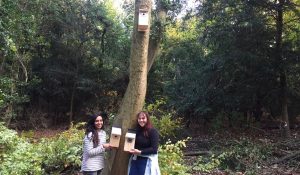
Look carefully and you’ll also see some of the various types of bird boxes we’ve made on Be a Ranger and community volunteer days. These are made as kits by our friends at High Wycombe Men In Sheds – thanks guys! Many have been occupied and not always by birds – Wasps and Hornets love a bird box too!
A number of rustic, oak- topped benches have also been installed with more to come.
Wildlife to spot at Deangarden Wood
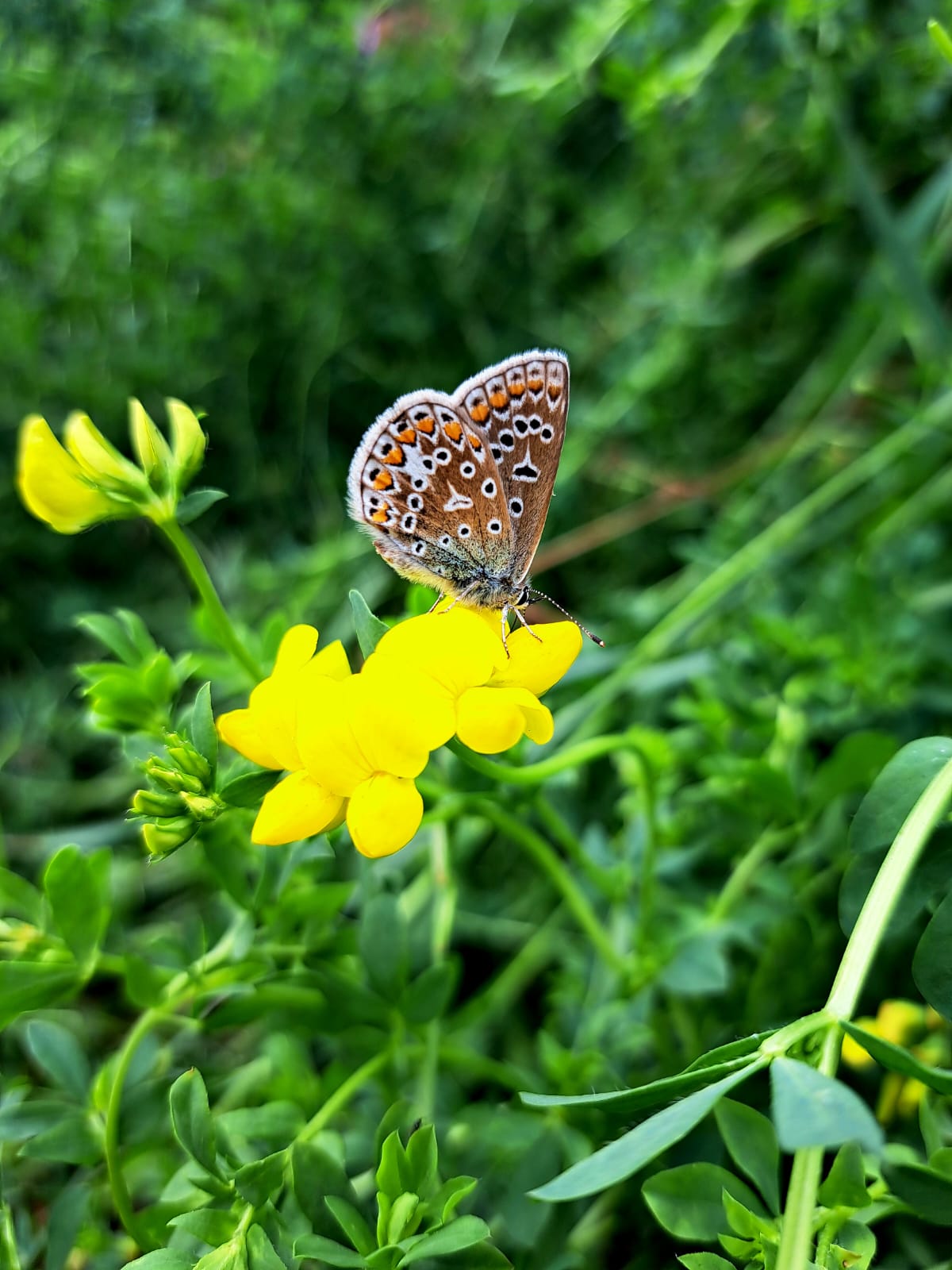
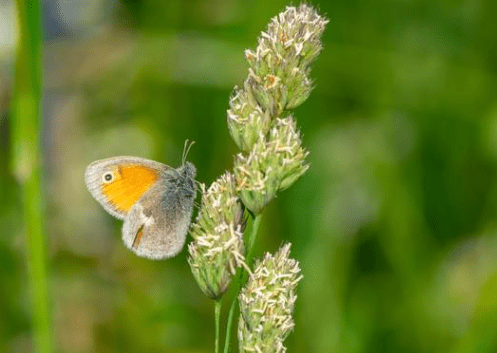
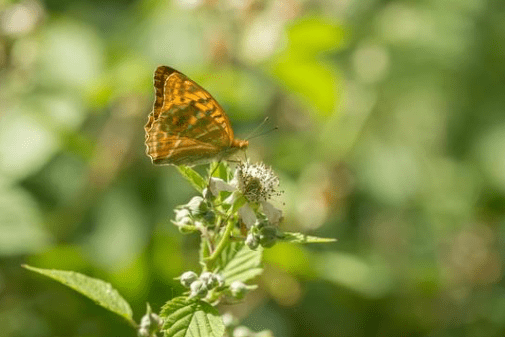
Pictured left to right: Common Blue, Small Heath, Silver-washed Fritillary
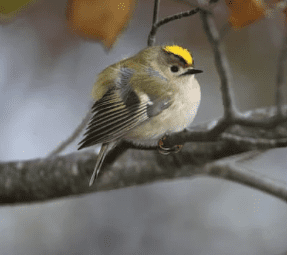
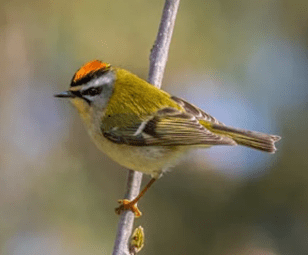
Both Goldcrests (left) and Firecrests (right) are on the increase. For more detailed information, have a look at our Summer 2025 Newsletter.
What’s happening now?
The site had been sadly neglected for many years and the permissive path network was non-existent. The plan has created 4 new public footpaths, ladder boards are installed at the entrances and a new interpretation panel too! Downloads for these are at the bottom of this page, why not download the leaflet and take yourself for a walk in nature?
Worse still there was tonnes and tonnes of rubbish and fly tip and the remains of a ski slope – we have removed the vast majority but more keeps reappearing….
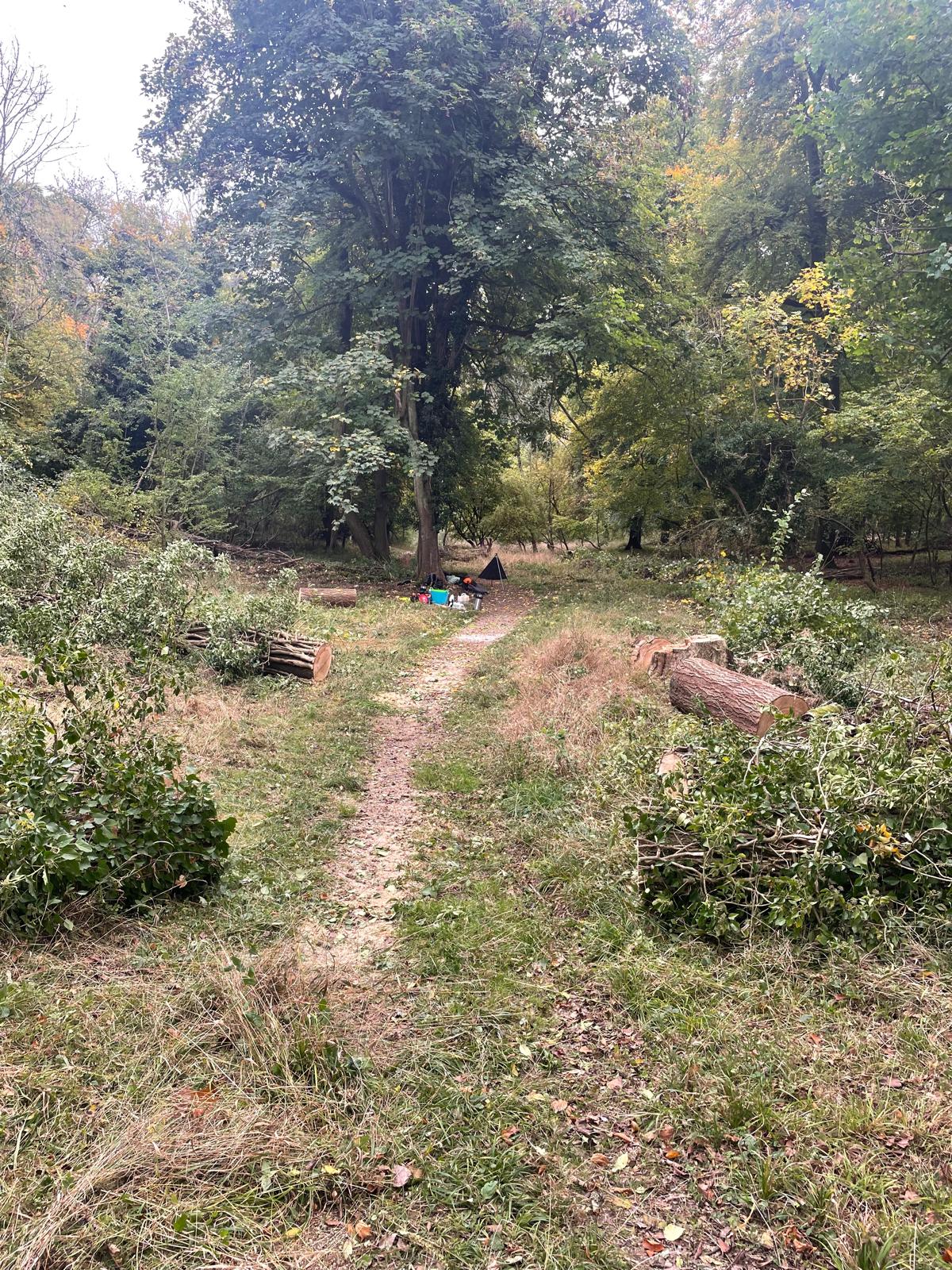
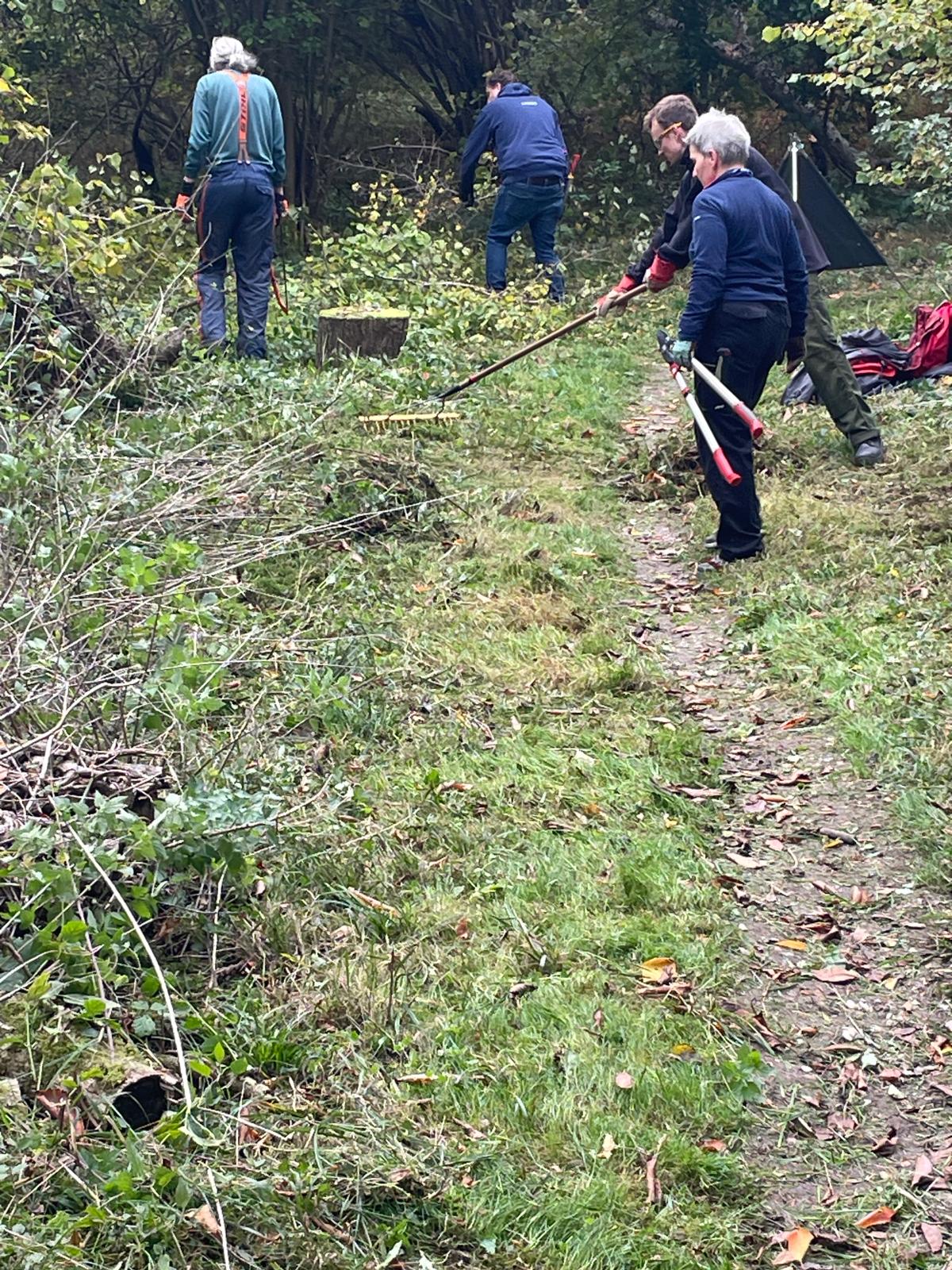
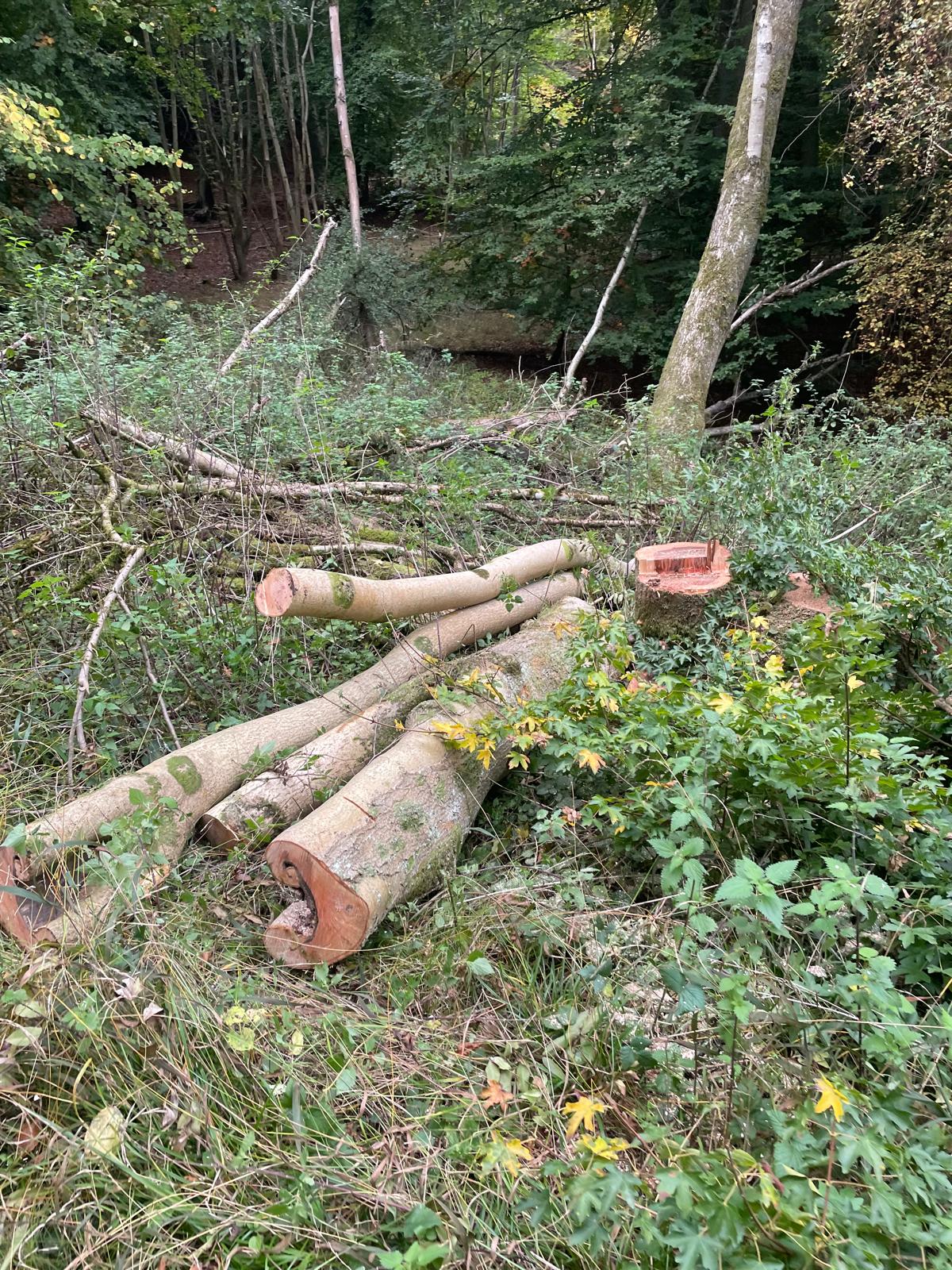
Thanks to the help of hundreds of volunteers giving thousands of hours, we have cut down lots of trees – mostly squirrel and/or deer damaged young Sycamore and Ash. Hazel has been coppiced.
Where ground flora still persisted in the woodland, we have created scallops and mini glades with hundreds of meters of dead hedges and many log piles. These are ideal refuges for wildlife such as hedgehogs and nesting birds such as wrens. We also had a few bonfires such has been the amount of arisings created. Now the sunlight (and rain) is pouring in and the woodland is responding and thriving.
The boundary management continues during the winter months before the bird nesting season commences. The work helps reduce risk from trees to property and, over time, develops in to a thicker, lower boundary that protects the trees behind and is easier to manage. The arisings have been placed in a large, long dead hedge which is both a barrier to people and a great habitat for wildlife.
We undertake additional understorey planting including Hawthorn, Buckthorn, Wych Elm, Spindle, Field Maple and Blackthorn. We are not using plastic tree guards in a concerted effort to reduce waste from single use plastic, but are instead using brash from coppicing and tree cutting to try to keep the Roe & Muntjac deer at bay.
This boundary access work is designed to future proof the site and to concentrate users through the key routes. This was a key concept in creating the management plan which seeks to protect the site from the many hundreds of new houses and new residents that will be built and live there in the coming years. The boundary is less porous and harder for people to exploit, e.g. on motorbikes, or to dump their waste which sadly often happens in urban woodlands.

2025 and beyond
An exciting new phase is about to get under way using extra funding from the development of the site by Berkeley Homes. This will enable livestock fencing to be installed and cattle and sheep to do the grassland management work!!!
We will also improve the central ride system, creating more open habitat and refugia for a small population of Slow Worm & Common Lizard about to be translocated from the top of the site.
More bat and bird boxes will also be installed including a Kestrel box – a pair have been regularly seen hunting over the ski slope and we hope they will stay!!!
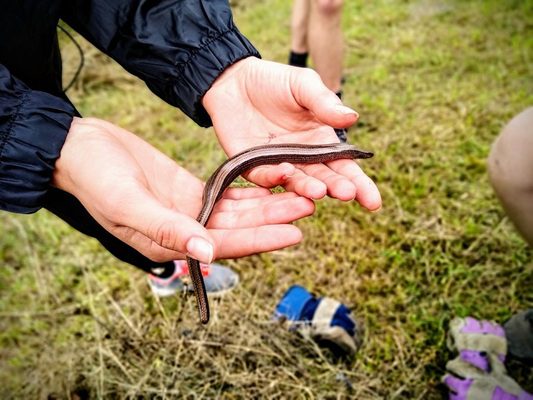
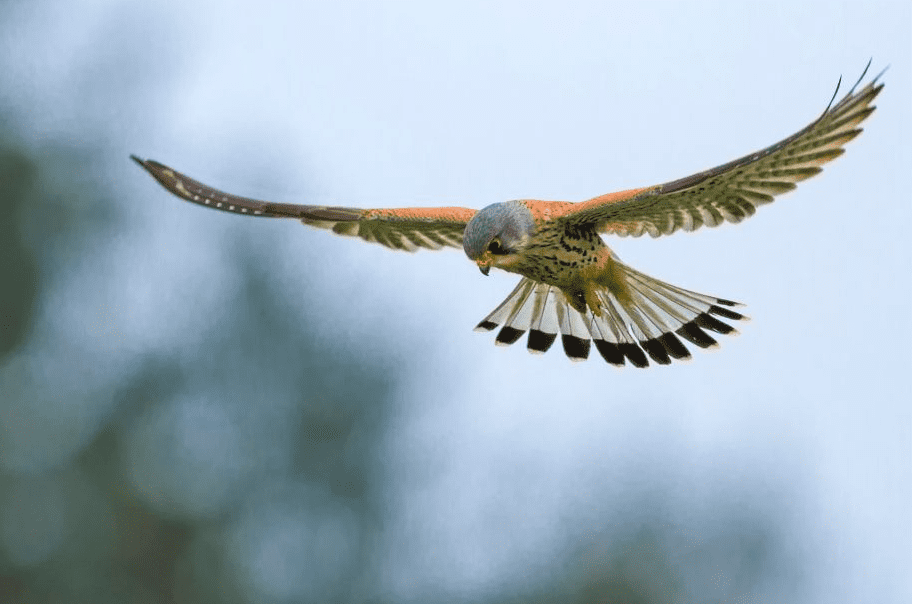
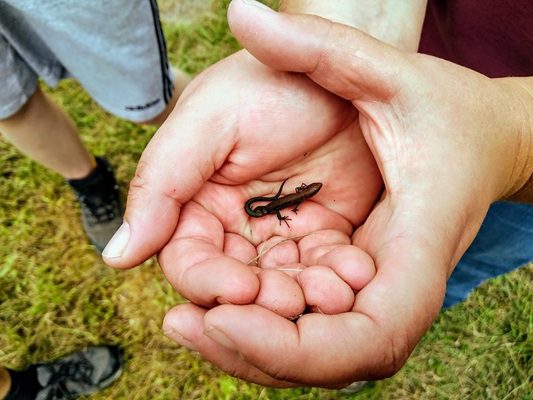
Pictured left to right: Slow Worm, Kestrel, Common Lizard

Our new interpretation board was installed in 2023. Click on the image to download a copy.
Download our map of Deangarden wood below.