Chalk Grassland Projects
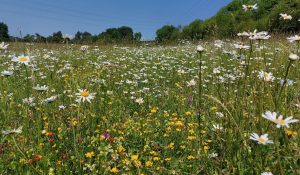 Up until the Second World War traditional farming practices ensured that grasslands were grazed in a low intensity, wildlife-friendly manner. This resulted in habitats which were botanically very diverse – as many as 40 plant species per square metre could build up in the sward.
Since then changes in the landscape have had a hugely detrimental effect on grasslands. Land has been developed for housing, industry and large infrastructure projects not least the M40 which in the early 1970s cut through Aston Rowant National Nature Reserve and more recently HS2. Further areas have been lost to quarrying, roads and tree planting – not following the ‘right tree, right place, right reason’ mantra.
Contemporary farming techniques have greatly intensified and increased chemical use has compounded the pressure on nature. Many meadow/grassland fields were essentially poisoned by herbicides, ploughed up for crops and chemical fertilisers added – (good for crops bad for wildflowers), thousands of kilometres of hedgerows were ripped out, fields have been over-seeded with crops. Those left un-grazed were gradually taken over by scrub and then secondary woodland. Silage technologies, heavily reliant on chemical inputs for yield, have replaced haymaking.
More recently much land has been lost to intensive grazing in pony paddocks. These factors combine to result in loss of habitat, poorer quality habitat and also a much more fragmented landscape which is harder for wildlife to navigate especially in the face of climate change.
Traditionally managed wildflower-rich grasslands have declined by 97% since the 1940s. This has, in turn, led to a dramatic decline of many species of butterflies, bees, farmland birds and native wildflowers.
Chalk grassland supports a number of rare plants and animals most of which have unique associations with this habitat and cannot thrive or survive elsewhere. The fragmentation of many areas of grassland has resulted in species becoming isolated and more likely to face extinction.
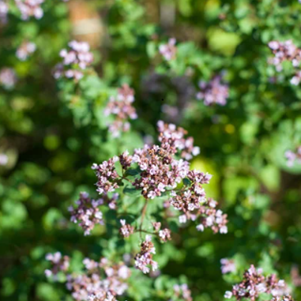
The species listed below provide a rough guide to plants which are indicative of unimproved, species-rich grassland (although botanical diversity will depend on many factors). The lists are by no means exhaustive.
- Grass species: Quaking Grass, Sheep’s Fescue, Meadow Barley, Crested Dog’s-tail, Smaller Cat’s-tail, Yellow Oat-grass.
- Wildflower species (A-Y list): Agrimony, Autumn Hawkbit, Betony, Bird’s-foot Trefoil, Carline Thistle, Common Rock-rose, Cowslip, Deptford pink, Devil’s-bit Scabious, Dropwort, Eyebright, Field Scabious, Gentians, Greater Knapweed, Horseshoe Vetch, Kidney Vetch, Lady’s Bedstraw, Marjoram, Milkwort, Orchids (many types), Ox-eye Daisy, Perforate St John’s-wort, Restharrow, Rough Hawkbit, Salad Burnet, Selfheal, Wild Basil, Wild Thyme, Yarrow, Yellow Rattle and Yellow-wort. Bold = firm favourites for our local butterflies!
What are we doing about it?
In 2010 the Lawton Report – Making Space for Nature was published. It clearly articulated the way forward for attempting to halt the decline of biodiversity and maybe even start to reverse it. Lawton’s mantra of ‘bigger, better more and more joined up,’ is central to much of our work. In the chalk grassland world we are focussing on:
Better
Improving the quality on existing sites – be that less scrub, better scrub structure, re-introducing grazing, mowing and raking if grazing can’t work and replanting lost hedgerows, missing trees and absent foodplants
Connectivity
Connectivity is key – both in terms of people and the landscape and connectivity of habitats in the landscape.
How?
We are working in partnership with a range of landowners, farmers and other organisations to do this. We are focussing on some key priority species such as Duke of Burgundy. We want to bring as many people into this amazing habitat to help; everyone is welcome all ages abilities and from all parts of our community. There is work to do all year spring & summer surveying and monitoring autumn & winter practical habitat work.
Where?
The landscape needs your help – there is so much to do!
What’s next?
If you would like to help out please get in touch or sign up to one or more of our volunteering sessions, we would love to meet you!